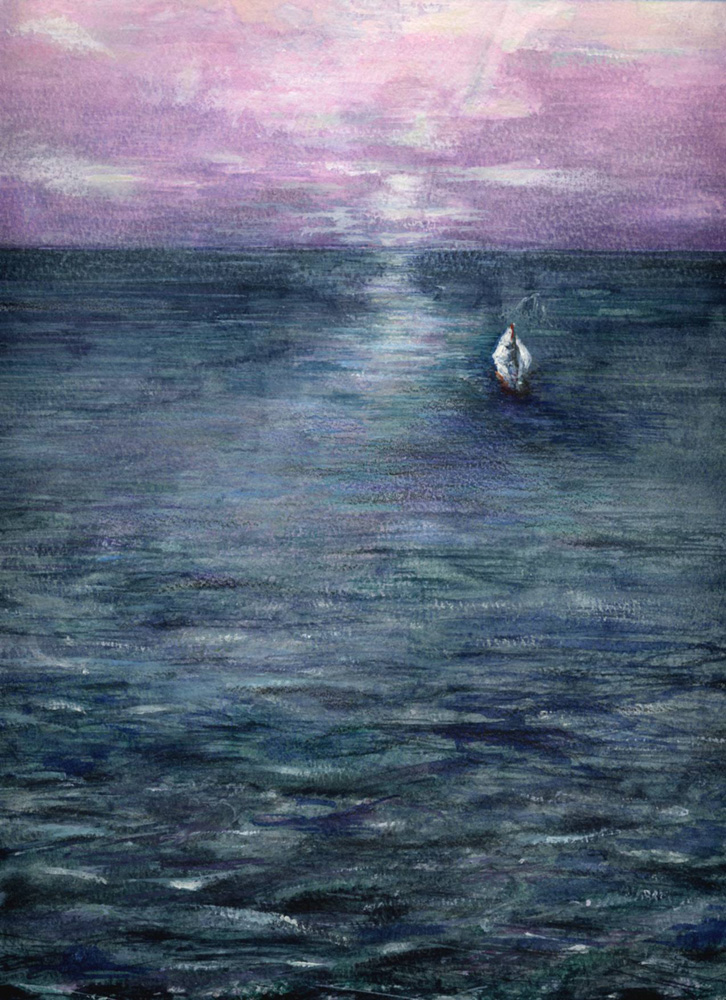
| I was immediately pulled into the world of slightly abstract and wispy poetry that these composers have set. | ||
| —Brian Bannatyne-Scott, Edinburgh Music Review |
Click the quotation text to discover what it refers to!
| I was immediately pulled into the world of slightly abstract and wispy poetry that these composers have set. | ||
| —Brian Bannatyne-Scott, Edinburgh Music Review |
Click the quotation text to discover what it refers to!

Fand IncWessex Press is a publisher of high quality sheet music, CDs and books, all focussing on accessible 20th Century and contemporary composers and concentrating mainly on first editions. Please use the tabs at the top of the page to explore the catalogue. Further details, such as information about ordering, can be found on the Contact/Info page.
Fand Music Press has played a big part in the production of this CD of world première recordings of music by Carey Blyton. Produced on the Sleeveless Records label in collaboration with the Carey Blyton Trust, this new CD is a really premium-quality production.
In common with other recent issues produced in association with Sleeveless (BAX: Works for Cello and Piano and From Bohemia to Wessex), the new CD is another particularly high-quality affair: it includes a lavish 16-page full-colour booklet and top-quality presentation throughout (see sample images and track samples below). As much of the music on the CD is based on the artwork of Hiroshige, the design of the CD’s physical presentation is also based on his watercolours.
While Shepherds Watched their Flocks is believed to have been sung to as many as one hundred tunes as part of a wider English carolling tradition. Many such melodies are regional and have been passed down the generations, both orally and in private handwritten collections, without being formally published (at least, until recently). They survive thanks in part to the well-established and centuries-old carolling tradition in Yorkshire, which is centred in various villages to the north-west of Sheffield, heading towards Holmfirth and Huddersfield. This carolling tradition, which exists mainly in village pubs but also in churches, chapels, halls, homes and the open air, lives on today.
At least eight versions of While Shepherds Watched their Flocks continue in popular use in the Yorkshire carolling tradition, and it is virtually universal for them all to be sung with just four verses rather than the full set of six. Verses 1–3 and 6 are retained; verses 4 and 5 are omitted.
The Yorkshire Shepherds celebrates the popularity of this carol in the Yorkshire carolling tradition by setting the words of the four commonly sung verses to four different regional melodies. The chosen tunes are ones that are both well established and that fit well together; not all four melodies were actually composed in Yorkshire, but they all have strong Yorkshire connections and have become well established in, and remain popular because of, the music-making of the region.
More extensive notes about the four regional melodies used for the verses are provided with the music, but the melodies are, in order: Cranbrook (better known as On Ilkla Moor Baht ’At); Shaw Lane; Liverpool; Sweet Chiming Bells. In addition, the extremely familiar tune that is normally used for this carol, Winchester Old, is used in fragmentary form in the accompaniment of this setting to provide short interludes between verses and to tie the piece to the familiar. Although not sung as part of the piece itself, it may also be used for optional audience participation at the end; see the Performance notes.
Overall, this is a light-hearted and attractive arrangement that could provide a satisfactory ending to a Christmas concert, perhaps as an interesting encore, or could simply slot anywhere into a light carol concert programme. The setting is not intentionally comedic, but it takes a lightly humorous approach to its subject matter. In particular, uninitiated audience members are likely to be surprised and amused by the choir’s initial entry to the tune of On Ilkla Moor Baht ’At. (Note that this is not a gimmick: the usage is authentic, and the melody predates the ‘Ilkley Moor’ words by half a century or so.)
This piece may be performed in any of three ways:
1. Short endingIf the performers want a rousing ending with a choral finish, the piece may be terminated just after the voices stop singing, with a ‘short ending’. The final page of music (an optional coda) is then omitted entirely. |
This is the St Augustine’s Singers, directed by Philip Mead, giving the piece’s second performance (in Cambridge, 17th December 2016). |
|
2. Instrumental codaThe optional coda may be played through just once by the accompanist. This produces a performance that may seem quieter and less impactful, but that may be considered more musically rounded. The coda takes the form of a single, complete statement of Winchester Old on the piano/organ. |
This is a synthetic rendition generated by Sibelius from the typeset score. Although the wordless choir sounds leave something to be desired, the piano rendition is actually extremely convincing, and gives an excellent impression of how the accompaniment should ideally be played. |
|
3. Audience participationChristmas carol concerts often involve audience participation. This piece makes provision for this possibility by permitting the concertgoers to sing the words of the carol to the familiar tune that they know at the end, after the choir has finished singing the four Yorkshire verses. Having informed the audience in advance of what will happen, the conductor would turn around as the choir finishes and start conducting the audience (and choir) in a unison rendition of the carol to the tune Winchester Old for as many verses as are desired. (All six verses are supplied for this purpose.) |
This is The Huddersfield Singers, conducted by Alexander Douglas, giving the first performance of the piece as the last item in the concert for which it was written: A Yorkshire Christmas on 3rd December 2016. Unfortunately, the piano accompaniment goes somewhat awry at the transition between the choir’s performance and the start of the audience participation (compare with the Sibelius rendition…), but the effect is quite successful nevertheless (and it went down very well with the audience). In this particular performance, the audience sings verses 1, 3, 5 and 6. |
Fand produces its music booklets to a very high quality, and they normally include expensively-printed full-colour covers, which both look very attractive and, by being robust, make the copies easier to use on music stands and add considerably to their useful lives. Unfortunately, the colour covers are much more expensive to print than the music pages they enclose, and thus greatly increase the price of the copies overall.
We are very well aware that many choirs struggle to cover their ongoing costs, and simply cannot afford to purchase luxury-quality copies. Therefore, given that multiple copies are needed by any choir to put on a performance, we are also making choral parts available more cheaply, without the nice colour covers. (The full-price scores and the choral parts are absolutely identical apart from the fact that the cheaper parts lack the nice covers.) This keeps costs to a minimum and, we hope, should make the music more affordable to amateur groups.
We therefore suggest that when ordering a set of music, choirs might like to take the following approach:
Bear in mind that the copies are A4-sized booklets, and are therefore large enough to be shared by two singers if necessary.
Of course, if your choir is well off and wants a set of high-quality copies that will stand the test of time, then by all means order the more expensive scores for use by the singers, too! But we hope that the provision of cheaper choral parts will put this music within the reach of typical impoverished groups.
While Shepherds Watched their Flocks is believed to have been sung to as many as one hundred tunes as part of a wider English carolling tradition. Many such melodies are regional and have been passed down the generations, both orally and in private handwritten collections, without being formally published (at least, until recently). They survive thanks in part to the well-established and centuries-old carolling tradition in Yorkshire, which is centred in various villages to the north-west of Sheffield, heading towards Holmfirth and Huddersfield. This carolling tradition, which exists mainly in village pubs but also in churches, chapels, halls, homes and the open air, lives on today.
At least eight versions of While Shepherds Watched their Flocks continue in popular use in the Yorkshire carolling tradition, and it is virtually universal for them all to be sung with just four verses rather than the full set of six. Verses 1–3 and 6 are retained; verses 4 and 5 are omitted.
The Yorkshire Shepherds celebrates the popularity of this carol in the Yorkshire carolling tradition by setting the words of the four commonly sung verses to four different regional melodies. The chosen tunes are ones that are both well established and that fit well together; not all four melodies were actually composed in Yorkshire, but they all have strong Yorkshire connections and have become well established in, and remain popular because of, the music-making of the region.
More extensive notes about the four regional melodies used for the verses are provided with the music, but the melodies are, in order: Cranbrook (better known as On Ilkla Moor Baht ’At); Shaw Lane; Liverpool; Sweet Chiming Bells. In addition, the extremely familiar tune that is normally used for this carol, Winchester Old, is used in fragmentary form in the accompaniment of this setting to provide short interludes between verses and to tie the piece to the familiar. Although not sung as part of the piece itself, it may also be used for optional audience participation at the end; see the Performance notes.
Overall, this is a light-hearted and attractive arrangement that could provide a satisfactory ending to a Christmas concert, perhaps as an interesting encore, or could simply slot anywhere into a light carol concert programme. The setting is not intentionally comedic, but it takes a lightly humorous approach to its subject matter. In particular, uninitiated audience members are likely to be surprised and amused by the choir’s initial entry to the tune of On Ilkla Moor Baht ’At. (Note that this is not a gimmick: the usage is authentic, and the melody predates the ‘Ilkley Moor’ words by half a century or so.)
This piece may be performed in any of three ways:
1. Short endingIf the performers want a rousing ending with a choral finish, the piece may be terminated just after the voices stop singing, with a ‘short ending’. The final page of music (an optional coda) is then omitted entirely. |
This is the St Augustine’s Singers, directed by Philip Mead, giving the piece’s second performance (in Cambridge, 17th December 2016). |
|
2. Instrumental codaThe optional coda may be played through just once by the accompanist. This produces a performance that may seem quieter and less impactful, but that may be considered more musically rounded. The coda takes the form of a single, complete statement of Winchester Old on the piano/organ. |
This is a synthetic rendition generated by Sibelius from the typeset score. Although the wordless choir sounds leave something to be desired, the piano rendition is actually extremely convincing, and gives an excellent impression of how the accompaniment should ideally be played. |
|
3. Audience participationChristmas carol concerts often involve audience participation. This piece makes provision for this possibility by permitting the concertgoers to sing the words of the carol to the familiar tune that they know at the end, after the choir has finished singing the four Yorkshire verses. Having informed the audience in advance of what will happen, the conductor would turn around as the choir finishes and start conducting the audience (and choir) in a unison rendition of the carol to the tune Winchester Old for as many verses as are desired. (All six verses are supplied for this purpose.) |
This is The Huddersfield Singers, conducted by Alexander Douglas, giving the first performance of the piece as the last item in the concert for which it was written: A Yorkshire Christmas on 3rd December 2016. Unfortunately, the piano accompaniment goes somewhat awry at the transition between the choir’s performance and the start of the audience participation (compare with the Sibelius rendition…), but the effect is quite successful nevertheless (and it went down very well with the audience). In this particular performance, the audience sings verses 1, 3, 5 and 6. |
Fand produces its music booklets to a very high quality, and they normally include expensively-printed full-colour covers, which both look very attractive and, by being robust, make the copies easier to use on music stands and add considerably to their useful lives. Unfortunately, the colour covers are much more expensive to print than the music pages they enclose, and thus greatly increase the price of the copies overall.
We are very well aware that many choirs struggle to cover their ongoing costs, and simply cannot afford to purchase luxury-quality copies. Therefore, given that multiple copies are needed by any choir to put on a performance, we are also making choral parts available more cheaply, without the nice colour covers. (The full-price scores and the choral parts are absolutely identical apart from the fact that the cheaper parts lack the nice covers.) This keeps costs to a minimum and, we hope, should make the music more affordable to amateur groups.
We therefore suggest that when ordering a set of music, choirs might like to take the following approach:
Bear in mind that the copies are A4-sized booklets, and are therefore large enough to be shared by two singers if necessary.
Of course, if your choir is well off and wants a set of high-quality copies that will stand the test of time, then by all means order the more expensive scores for use by the singers, too! But we hope that the provision of cheaper choral parts will put this music within the reach of typical impoverished groups.
Suo Gân means “Lullaby” in Welsh, and this traditional Welsh song, with its gentle and simple but delightfully memorable melody, is very well known – not least because of its poignant use in the Steven Spielberg film, Empire of the Sun.
This new setting is for four-part choir and piano accompaniment, with the first verse optionally sung by a solo soprano (or treble). The music is intentionally straightforward as a reflection of the simplicity of the melody, but enough variety is present to maintain interest, and the lilting piano accompaniment maintains a rocking momentum. A tone of unease is introduced for the third verse, whose words reveal concern about external forces, and for this verse some significant chromaticism is introduced. However, for the final verse the rocking tranquility returns and the piece comes to a sonorous conclusion. Note that this setting of the song repeats the words of the first verse in lieu of a fourth verse.
The original Welsh words are provided along with a brand-new rhyming English translation which is faithful to the meaning of the Welsh original whilst attempting to avoid triteness.
Fand produces its music booklets to a very high quality, and they normally include expensively-printed full-colour covers, which both look very attractive and, by being robust, make the copies easier to use on music stands and add considerably to their useful lives. Unfortunately, the colour covers are much more expensive to print than the music pages they enclose, and thus greatly increase the price of the copies overall.
We are very well aware that many choirs struggle to cover their ongoing costs, and simply cannot afford to purchase luxury-quality copies. Therefore, given that multiple copies are needed by any choir to put on a performance, we are also making choral parts available more cheaply, without the nice colour covers. (The full-price scores and the choral parts are absolutely identical apart from the fact that the cheaper parts lack the nice covers.) This keeps costs to a minimum and, we hope, should make the music more affordable to amateur groups.
We therefore suggest that when ordering a set of music, choirs might like to take the following approach:
Bear in mind that the copies are A4-sized booklets, and are therefore large enough to be shared by two singers if necessary.
Of course, if your choir is well off and wants a set of high-quality copies that will stand the test of time, then by all means order the more expensive scores for use by the singers, too! But we hope that the provision of cheaper choral parts will put this music within the reach of typical impoverished groups.
Suo Gân means “Lullaby” in Welsh, and this traditional Welsh song, with its gentle and simple but delightfully memorable melody, is very well known – not least because of its poignant use in the Steven Spielberg film, Empire of the Sun.
This new setting is for four-part choir and piano accompaniment, with the first verse optionally sung by a solo soprano (or treble). The music is intentionally straightforward as a reflection of the simplicity of the melody, but enough variety is present to maintain interest, and the lilting piano accompaniment maintains a rocking momentum. A tone of unease is introduced for the third verse, whose words reveal concern about external forces, and for this verse some significant chromaticism is introduced. However, for the final verse the rocking tranquility returns and the piece comes to a sonorous conclusion. Note that this setting of the song repeats the words of the first verse in lieu of a fourth verse.
The original Welsh words are provided along with a brand-new rhyming English translation which is faithful to the meaning of the Welsh original whilst attempting to avoid triteness.
Fand produces its music booklets to a very high quality, and they normally include expensively-printed full-colour covers, which both look very attractive and, by being robust, make the copies easier to use on music stands and add considerably to their useful lives. Unfortunately, the colour covers are much more expensive to print than the music pages they enclose, and thus greatly increase the price of the copies overall.
We are very well aware that many choirs struggle to cover their ongoing costs, and simply cannot afford to purchase luxury-quality copies. Therefore, given that multiple copies are needed by any choir to put on a performance, we are also making choral parts available more cheaply, without the nice colour covers. (The full-price scores and the choral parts are absolutely identical apart from the fact that the cheaper parts lack the nice covers.) This keeps costs to a minimum and, we hope, should make the music more affordable to amateur groups.
We therefore suggest that when ordering a set of music, choirs might like to take the following approach:
Bear in mind that the copies are A4-sized booklets, and are therefore large enough to be shared by two singers if necessary.
Of course, if your choir is well off and wants a set of high-quality copies that will stand the test of time, then by all means order the more expensive scores for use by the singers, too! But we hope that the provision of cheaper choral parts will put this music within the reach of typical impoverished groups.
For Unbelievers was composed in the early 1990s. It was first performed in 1996 at the Church of the Holy Trinity, Nice (the composer’s home city). The performance was given by four singers from the Nice Opera Chorus accompanied by a professional synth player. After this, Albert Lance (a leading Australian-French operatic tenor) took an interest in the work and conducted the full complement of four soloists, choir and orchestra for performances in Bordighera and a number of other towns on the Côte d’Azur.
In 2016 the work was reorchestrated in collaboration with a one-time piano pupil of the composer, and the piano accompaniment in the present edition was devised.
The French describe the work as an oratorio but the Italians and British use the term cantata (and German speakers, Kantate).
In the words of the composer: “It was written as an invitation to think things over. And perhaps come to a decision.”
This version of the score is for choir and piano, and has a dual purpose:
In other words, if you wish to perform the work with orchestra, you will also need to purchase the separate orchestral score and instrumental parts, as well as the necessary number of choir & piano scores for your singing forces to use. Then, you will be able to use the piano accompaniment in the choir & piano score during choral rehearsals, but the pianist will not be needed for the final orchestral performance.
Fand produces its music booklets to a very high quality, and they normally include expensively-printed full-colour covers, which both look very attractive and, by being robust, make the copies easier to use on music stands and add considerably to their useful lives. Unfortunately, the colour covers are much more expensive to print than the music pages they enclose, and thus greatly increase the price of the copies overall.
Given that multiple copies of the choral score will be needed by any choir to put on a performance, we are also making the choir & piano scores available more cheaply as coverless choral parts. (In other words, the full-price choir & piano scores and the cheap choral parts are absolutely identical apart from the fact that the cheaper choir parts lack the nice, robust colour covers.)
We therefore suggest that when ordering a set of music, you might like to take the following approach:
Bear in mind that the copies are A4-sized booklets, and are therefore large enough to be shared by two choir members if necessary.
For Unbelievers was composed in the early 1990s. It was first performed in 1996 at the Church of the Holy Trinity, Nice (the composer’s home city). The performance was given by four singers from the Nice Opera Chorus accompanied by a professional synth player. After this, Albert Lance (a leading Australian-French operatic tenor) took an interest in the work and conducted the full complement of four soloists, choir and orchestra for performances in Bordighera and a number of other towns on the Côte d’Azur.
In 2016 the work was reorchestrated in collaboration with a one-time piano pupil of the composer, and the piano accompaniment in the present edition was devised.
The French describe the work as an oratorio but the Italians and British use the term cantata (and German speakers, Kantate).
In the words of the composer: “It was written as an invitation to think things over. And perhaps come to a decision.”
This version of the score is for choir and piano, and has a dual purpose:
In other words, if you wish to perform the work with orchestra, you will also need to purchase the separate orchestral score and instrumental parts, as well as the necessary number of choir & piano scores for your singing forces to use. Then, you will be able to use the piano accompaniment in the choir & piano score during choral rehearsals, but the pianist will not be needed for the final orchestral performance.
Fand produces its music booklets to a very high quality, and they normally include expensively-printed full-colour covers, which both look very attractive and, by being robust, make the copies easier to use on music stands and add considerably to their useful lives. Unfortunately, the colour covers are much more expensive to print than the music pages they enclose, and thus greatly increase the price of the copies overall.
Given that multiple copies of the choral score will be needed by any choir to put on a performance, we are also making the choir & piano scores available more cheaply as coverless choral parts. (In other words, the full-price choir & piano scores and the cheap choral parts are absolutely identical apart from the fact that the cheaper choir parts lack the nice, robust colour covers.)
We therefore suggest that when ordering a set of music, you might like to take the following approach:
Bear in mind that the copies are A4-sized booklets, and are therefore large enough to be shared by two choir members if necessary.
For Unbelievers was composed in the early 1990s. It was first performed in 1996 at the Church of the Holy Trinity, Nice (the composer’s home city). The performance was given by four singers from the Nice Opera Chorus accompanied by a professional synth player. After this, Albert Lance (a leading Australian-French operatic tenor) took an interest in the work and conducted the full complement of four soloists, choir and orchestra for performances in Bordighera and a number of other towns on the Côte d’Azur.
In 2016 the work was reorchestrated in collaboration with a one-time piano pupil of the composer, and an alternative piano accompaniment was devised.
The French describe the work as an oratorio but the Italians and British use the term cantata (and German speakers, Kantate).
In the words of the composer: “It was written as an invitation to think things over. And perhaps come to a decision.”
This version of the score is for choir and orchestra, and the purchasing options enable you to buy the full score and/or a set of instrumental parts.
However, please note that choral parts are not included! In order to put on a performance, you will also need to purchase an appropriate number of choir & piano parts for your singers and soloists to use.
For full details of those, please see the version for choir and piano.
For Unbelievers was composed in the early 1990s. It was first performed in 1996 at the Church of the Holy Trinity, Nice (the composer’s home city). The performance was given by four singers from the Nice Opera Chorus accompanied by a professional synth player. After this, Albert Lance (a leading Australian-French operatic tenor) took an interest in the work and conducted the full complement of four soloists, choir and orchestra for performances in Bordighera and a number of other towns on the Côte d’Azur.
In 2016 the work was reorchestrated in collaboration with a one-time piano pupil of the composer, and an alternative piano accompaniment was devised.
The French describe the work as an oratorio but the Italians and British use the term cantata (and German speakers, Kantate).
In the words of the composer: “It was written as an invitation to think things over. And perhaps come to a decision.”
This version of the score is for choir and orchestra, and the purchasing options enable you to buy the full score and/or a set of instrumental parts.
However, please note that choral parts are not included! In order to put on a performance, you will also need to purchase an appropriate number of choir & piano parts for your singers and soloists to use.
For full details of those, please see the version for choir and piano.
For Unbelievers was composed in the early 1990s. It was first performed in 1996 at the Church of the Holy Trinity, Nice (the composer’s home city). The performance was given by four singers from the Nice Opera Chorus accompanied by a professional synth player. After this, Albert Lance (a leading Australian-French operatic tenor) took an interest in the work and conducted the full complement of four soloists, choir and orchestra for performances in Bordighera and a number of other towns on the Côte d’Azur.
In 2016 the work was reorchestrated in collaboration with a one-time piano pupil of the composer, and an alternative piano accompaniment was devised.
The French describe the work as an oratorio but the Italians and British use the term cantata (and German speakers, Kantate).
In the words of the composer: “It was written as an invitation to think things over. And perhaps come to a decision.”
This version of the score is for choir and orchestra, and the purchasing options enable you to buy the full score and/or a set of instrumental parts.
However, please note that choral parts are not included! In order to put on a performance, you will also need to purchase an appropriate number of choir & piano parts for your singers and soloists to use.
For full details of those, please see the version for choir and piano.
 Previous announcements may be found in the Fand News Archive.